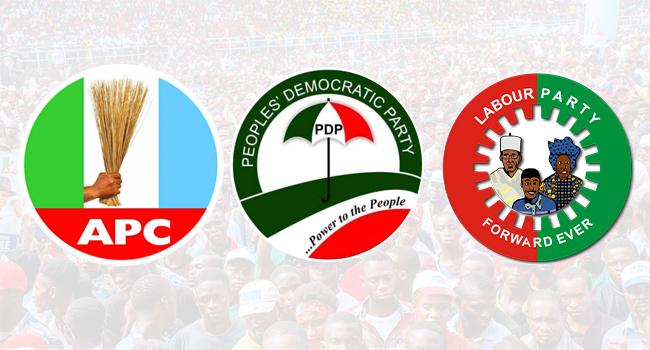
A fresh wave of defections is set to hit the House of Representatives as lawmakers resume plenary on March 31, deepening the crisis within opposition ranks and further consolidating the hold of the All Progressives Congress (APC).
Multiple sources within the Green Chamber told Sunday PUNCH that the House leadership is preparing to read several defection letters on the floor, involving members elected on the platforms of the Peoples Democratic Party (PDP) and the New Nigeria Peoples Party (NNPP).
In Osun State, no fewer than five PDP lawmakers, Bamidele Salam, Clement Akanni, Mahruf Adewale, Soji Adetunji and Mudashiru Alani have finalized plans to switch allegiance to the Accord Party, in what insiders describe as a coordinated political realignment.
The move follows the earlier defection of Governor Ademola Adeleke to the Accord Party, a development that has unsettled the PDP’s structure in the state.
In the North-East, the lawmaker representing Bali/Gassol Federal Constituency of Taraba State, Jaafaru Yakubu, has already exited the PDP and is expected to formally join the APC upon resumption. Similarly, Mohammed Bassi, representing Mayo Belwa/Ganye/Jada/Toungo Federal Constituency of Adamawa State, is also set to pitch his tent with the ruling party.
The NNPP, which recorded modest gains in the 2023 general elections, is steadily losing ground in the House. Four of its members, Tijjani Mustapha, Muhammed Shehu, Dankawu Idris and Hassan Hussain have concluded plans to defect to the APC, with their letters already submitted and awaiting formal announcement.
Further underscoring the shifting alliances, Labour Party lawmaker Seyi Showunmi is reportedly heading to the African Democratic Congress (ADC), reflecting the growing appeal of alternative platforms outside the dominant parties.
However, the APC is also bracing for a notable loss. The House Deputy Spokesman, Philip Agbese, is set to defect to the Labour Party, amid lingering internal disputes in the Benue State chapter of the party involving Governor Hyacinth Alia and Secretary to the Government of the Federation George Akume.
One of the affected lawmakers, who requested anonymity, said the decision to leave the PDP was informed by protracted internal crises and what he described as a loss of direction within the party.
“Since 2015, the party has struggled to regain cohesion. Instead of rebuilding, the leadership has been consumed by internal wrangling,” he said.
He argued that political survival and effective representation required alignment with a more stable platform, noting that while the PDP could recover in the future, it currently lacks the structure to compete effectively across the country.
At the close of the 2023 elections, the APC held 175 seats in the House, just shy of the simple majority threshold. The PDP secured 116 seats, the Labour Party 35, and the NNPP 19.
But sustained defections since 2025 have dramatically altered the composition of the National Assembly, with the ruling party now commanding a two-thirds majority in both chambers.
The development has intensified concerns among political observers about the shrinking space for opposition voices and the broader implications for Nigeria’s multiparty democracy, as legislative consensus increasingly tilts in favour of the ruling party.
About the Author